All My Sons: An “I Will Find You” Review
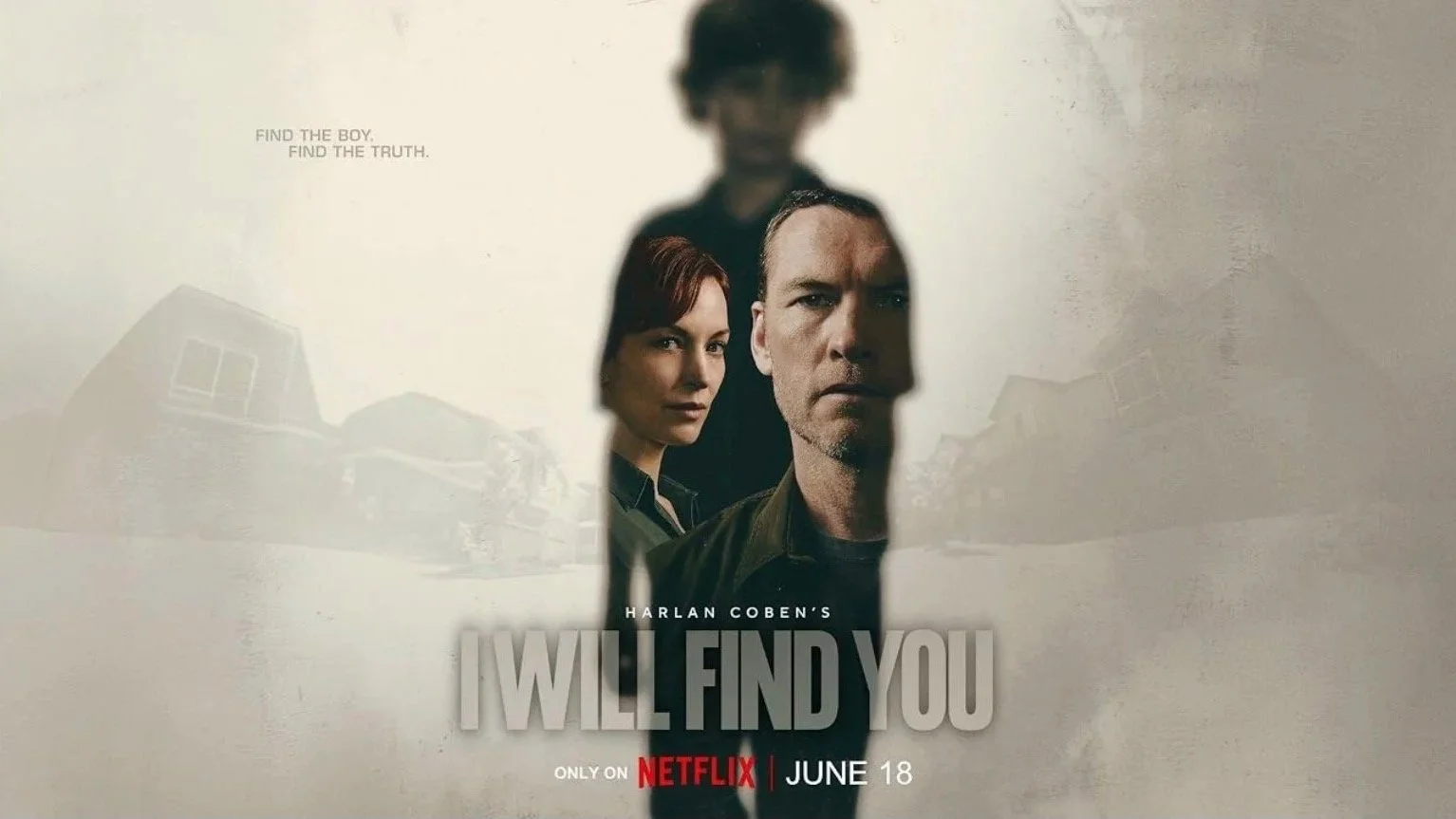
Netflix’s newly released limited series, I Will Find You, based on Harlan Coben's 2023 best-selling novel of the same name, just dropped, and it is properly dramatic! The twists and turns of this tale are told with an urgency that reflects the core themes of love and family, and, more specifically, the nature of love in its expressions. If you have seen the series, feel free to read, but if you have not, be cautious of spoilers.
David Burroughs (Sam Worthington, known for his roles in the Avatar franchise and Clash and Wrath of the Titans) is in prison, 5-years into a lifetime bid for filicide, when Rachel Mills (Severance’s own Britt Lower), a disgraced journalist turned university professor and sister of his ex-wife Cheryl (Erin Richards, also known for her role as Barbara Kean in Gotham) happens upon a piece of evidence that pulls the plug on everything they thought to be true. With the help of a few good inside men, Burroughs’ sentence is temporarily paused, giving him a chance to try and clear his name. With some assistance from the most unlikely characters, including Hayden Payne (Milo Ventimiglia, famously known as Jess Mariano in Gilmore Girls and as Jack Pearson on This Is Us), son of the very wealthy Gertrude Payne (Madeleine Stowe, Ingrid Kersh in It: Welcome to Derry), David and Rachel follow every lead to learn what really happened to Matthew Burroughs (Ashton Cressman). As David scours the earth from Boston to New York and back to find the truth, law enforcement picks up his scent at every turn, compromising his impromptu investigation. Sarah Greer (Dear White People’s Logan Browning) and Max Williams (Hawaii Five-0’s Chi McBride) lead the manhunt for Burroughs, finding themselves questioning their own roles in the pursuit of justice when Lady Liberty’s blindfolds are too tight.
The mysteries of the plot unfold delicately, weaving in the stories of the supporting cast that make even the most peripheral character feel whole. The psychology of each archetype playing out in a game of self-actualizing charades—what does he want? What could possibly be her motivation for this sequence of actions? This is a noteworthy feature, as it contrasts with other, more recent, and popular series whose stories feel compelling enough to tell but seem to fall flat in execution. What works in these nuanced characters goes back to the ancient philosophical debate over whether mankind is inherently good or evil—an answer explored in creative storytelling over time in infamous tales like Robert Louis Stevenson's Dr. Jekyll and Mr. Hyde and Dostoevsky’s Crime and Punishment. Characters who maneuver like questions to be answered come off favorably in that they employ a realism that allows audiences to excavate their experiences and motivations. Conversely, characters whose words and actions take on the all-knowing persona in which they don’t shadowbox uncertainty, fears of failure, and other very day-to-day features of humanity do not have the benefit of telling layered stories—just their role in the main sequence of events that they seem to know before it would be reasonable for them to.
This production is a nesting doll of stories and themes.
-SPOILER ALERT-
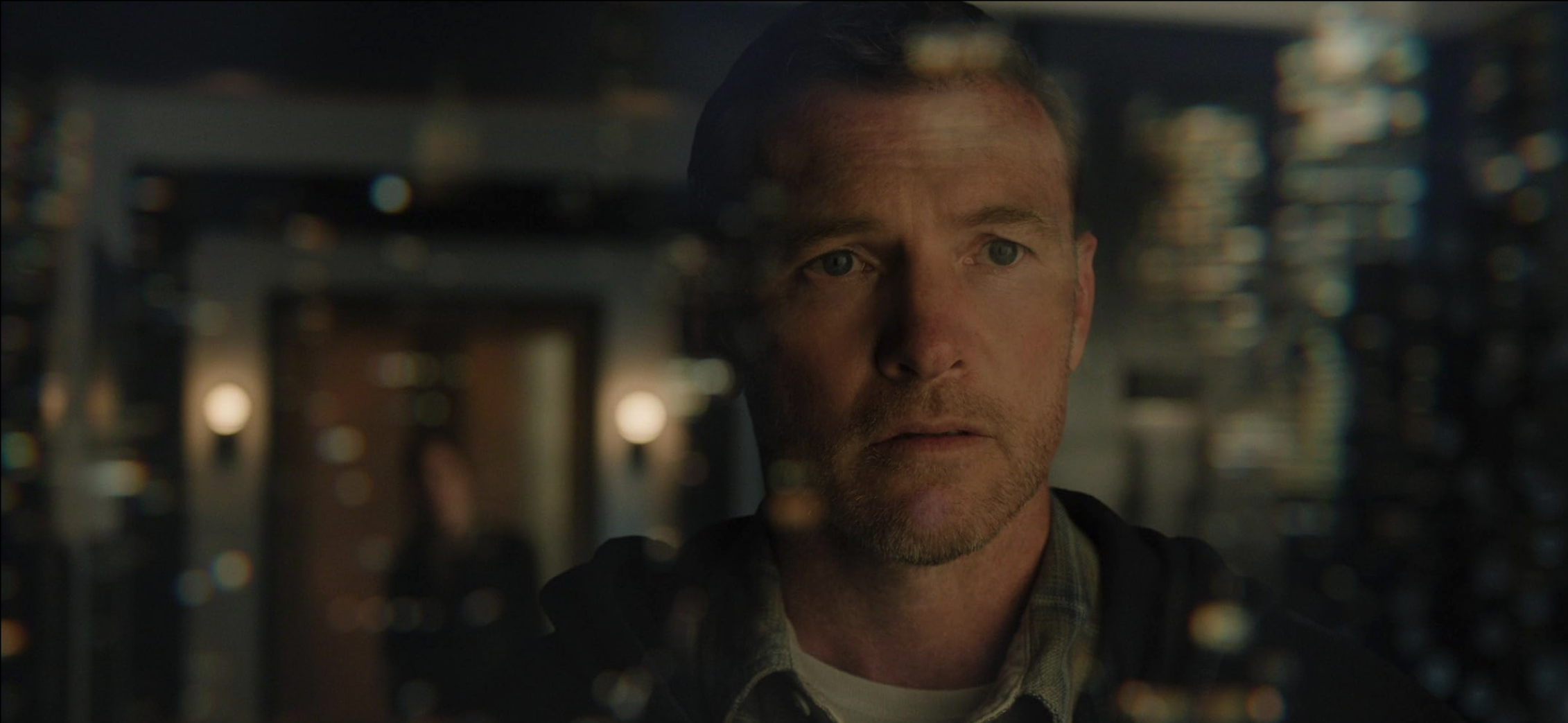
David Burroughs (Sam Worthington) in I Will Find You
At the heart of this series are sons, particularly David Burroughs and his relationship with Matthew Burroughs, the emphasis of which is conveyed in the notorious dead-wife-style opening montage. Layering this relationship is the father-son pairing of David Burroughs and his father, Lenny Burroughs (played by Hugh Thompson). Additionally, the relationship between Warden Phillip Mackenzie (Peter Outerbridge) and his son Adam Mackenzie (Jonathan Tucker) unfolds on the periphery, beginning with their prison-break dynamic and the subsequent revelation of Adam’s attempt to protect his father. Diving a little deeper into the All-My-Sons motif is Hayden Payne and his faux father-son pairing with Theo Payne. The father-son theme, materializing in this vein of the story, opens up to a broader understanding, bringing mothers into the mix. Hayden’s strained mother-son relationship inspires him to create something for himself—something that he can love with the same intensity as his devotion to his mother, but something that could love him back. This then pans to the mother-son relationship between Cheryl, the unbeliever who holds the memory of her son, but needs more to push her to act. And finally, Lenny Burroughs’ visit and conversation with Cheryl opens the scope of the theme even more, to the theme of fathers and daughters, which is more expressly told in the periphery with Sarah Greer and her father, Max Williams, working side-by-side within their roles at the FBI while working out their own emotional baggage.
Browning is refreshing, bringing a calm but fiery disposition to the role of overzealous officer with a chip on her shoulder. Lower is contemplative, a subtle force that connects the merits of the story’s unfolding to journalistic sleuthing that requires a clear mind and a cool head.
Worthington is beloved, though somehow devoid of a facial expression that the plight of his character demands. Though stoicism has its place, and what he lacks in emotional believability, the plot makes up for in intensity; even the exhaustion of ripping and running was not visible in this portrayal.
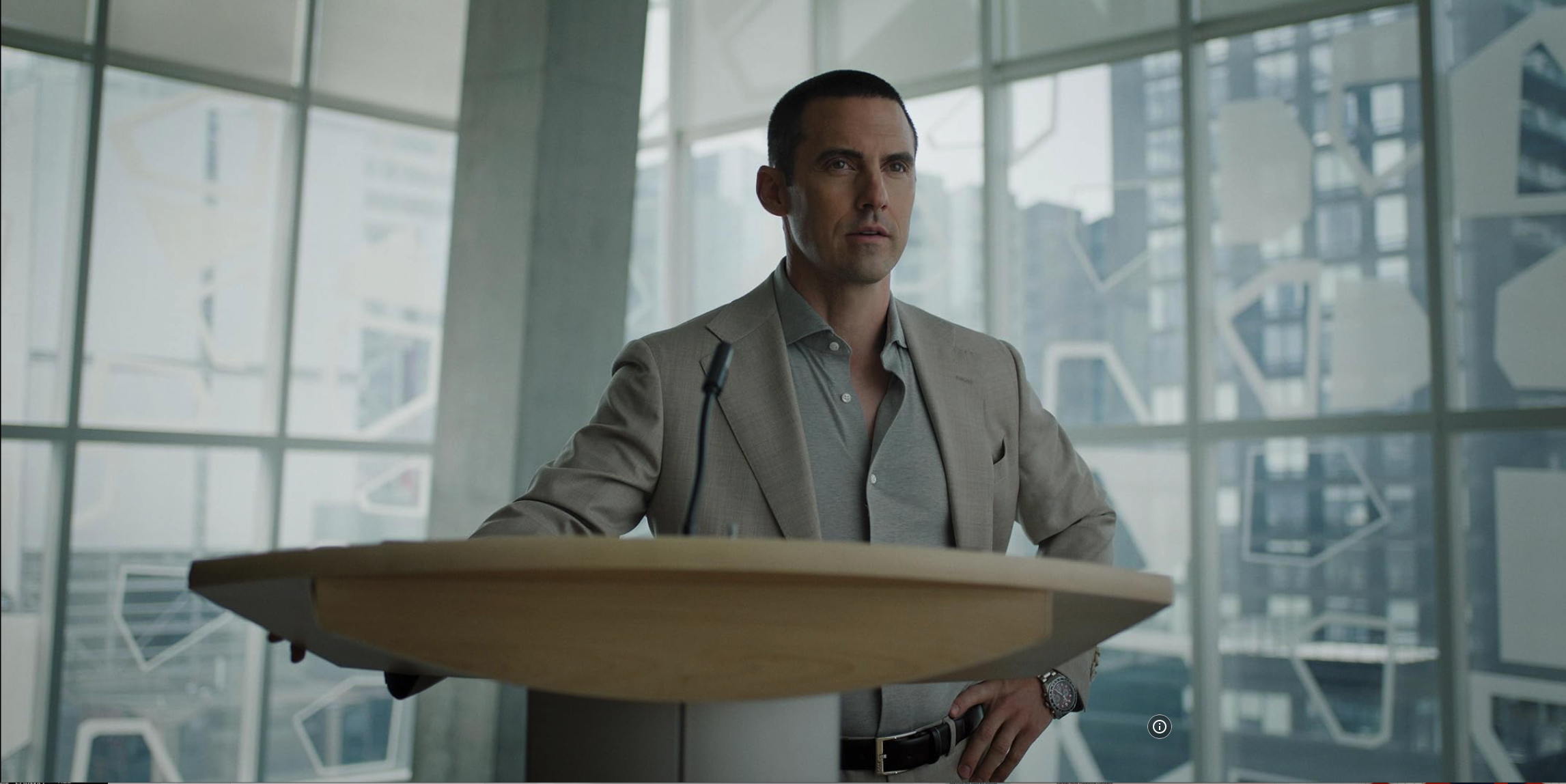
Hayden Payne (Milo Ventimiglia) in I Will Find You
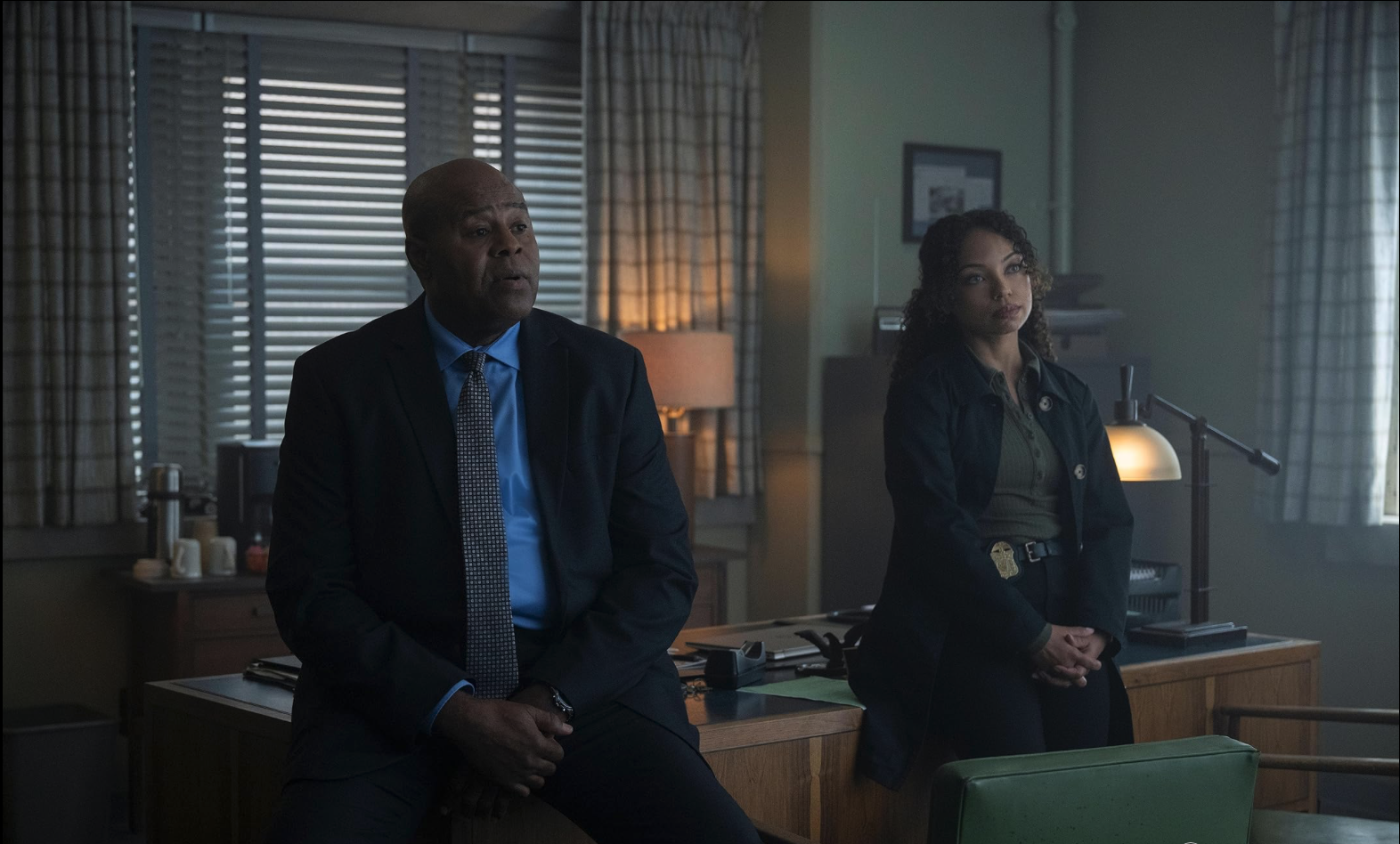
Max Williams (Chi McBride) and Sarah Greer (Logan Browning) in I Will Find You
Ventimiglia stuns in this role, embodying Hayden’s delusion of a dutiful boyfriend, while harboring the darkness of a destructively impulsive nature. Stowe, as the mother of a son who goes to great lengths to protect her child from the consequences of his own actions, lays the foundation for a deeply psychological twist.
In reverse, the series becomes a tale of Hayden Payne, a Macbeth-esque figure, who becomes a murderous tyrant driven by ambitions of love and unresolved mommy issues. In retrospect, the story is less about the lengths a father would go for his son and more about the dangers of a mother giving her son the world without boundaries. This series paints a picture of parenthood that emphasizes choices and consequences. Who could Hayden have become with a family, a mother, less pressed for presentation than the mental and emotional well-being of her heir? When the acquisition of position or power becomes the primary goal, children’s lives become chess pieces, moved without regard for the impact of their experiences and subtle lessons on their development. When image and wealth become the goal, anyone with enough power (money being the default catapult into power and a driving force in the cycle of wealth, status, and influence) can become a murderous tyrant driven by ambition.
From end to beginning, the series of events plays out like echoes of tyranny—lives desiccating in the wake of the whims of the rich and powerful. In either direction, this body of work asks viewers to consider the ripple effect of their own family ties.
Stream I Will Find You on Netflix.